Impact on pupils 23

Themed Education: Visual elements centred around topics can create a learning atmosphere. For instance, a history classroom could showcase timelines, portraits of figures and critical events to help students grasp and retain the information being taught.
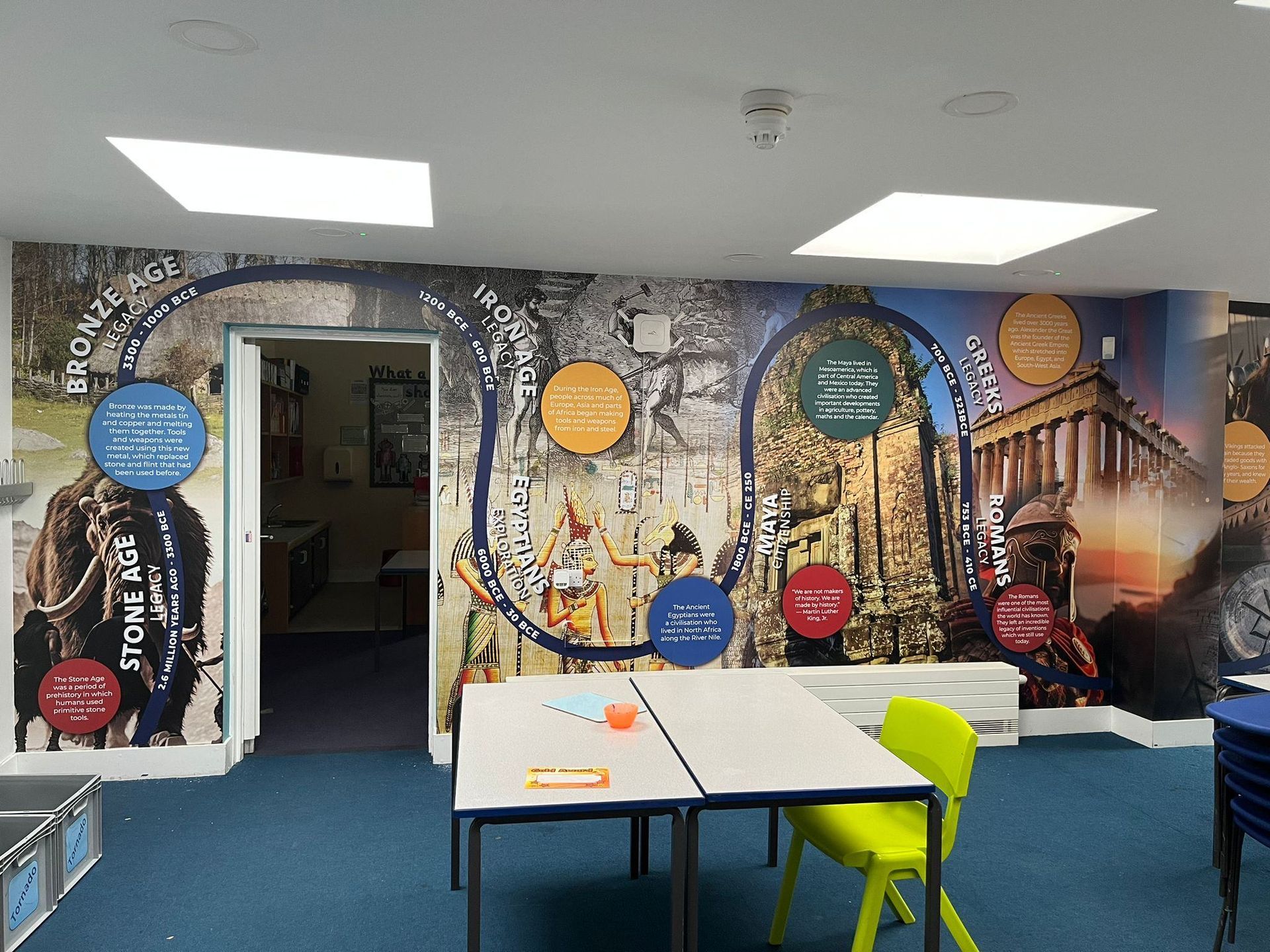
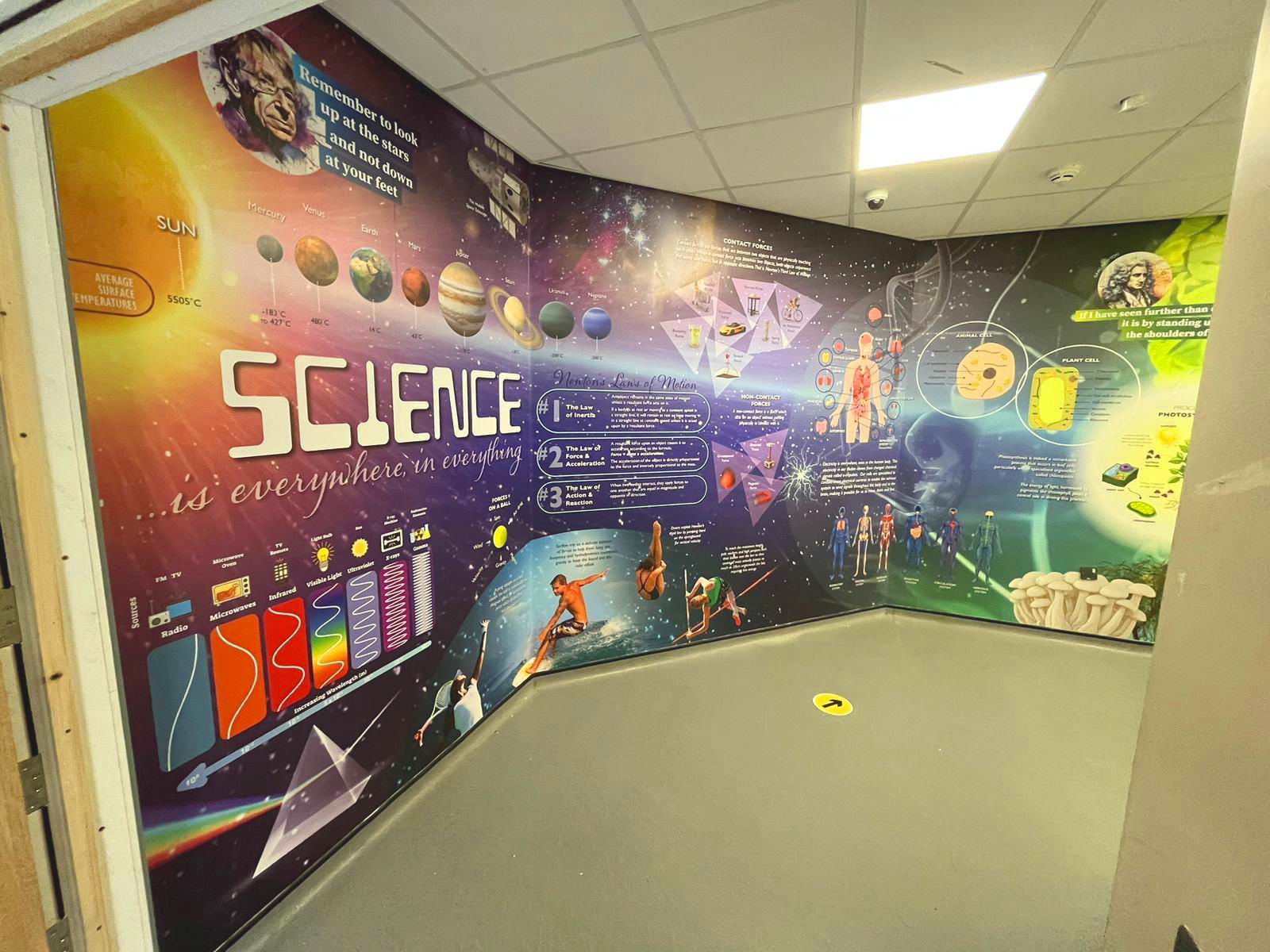
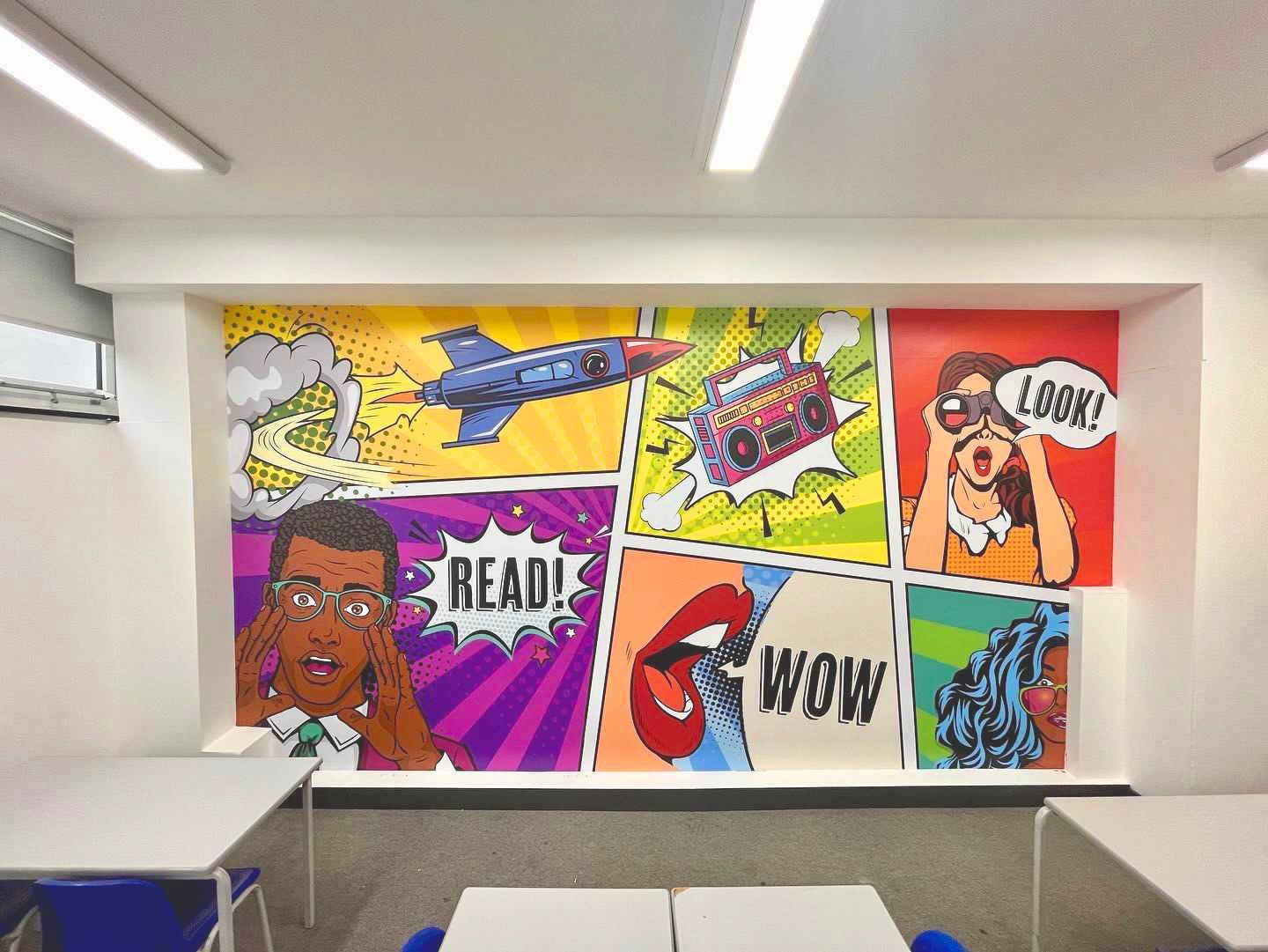
Using wall graphics for themed learning can significantly enhance the educational journey by offering context and visual aids that boost memory and comprehension. Here's how you can effectively apply themed learning across subjects;


History Classroom


Key Features;

  • Timelines: Presenting timelines of eras helps students grasp the sequence of events.
  • Historical Figures: Including portraits and brief biographies of figures can make history more relatable and memorable.
  • Significant Events: representations and descriptions of major events aid students in visualising their impact.


Design Concepts;

  • Interactive Timelines: Utilise QR codes linking to videos or additional resources on periods or events.
  • Maps and Infographics: Integrate maps illustrating changes and infographics summarising complex events.
  • Multimedia Incorporation: space for showcasing content, such as screens or projectors, for documentaries or historical footage.
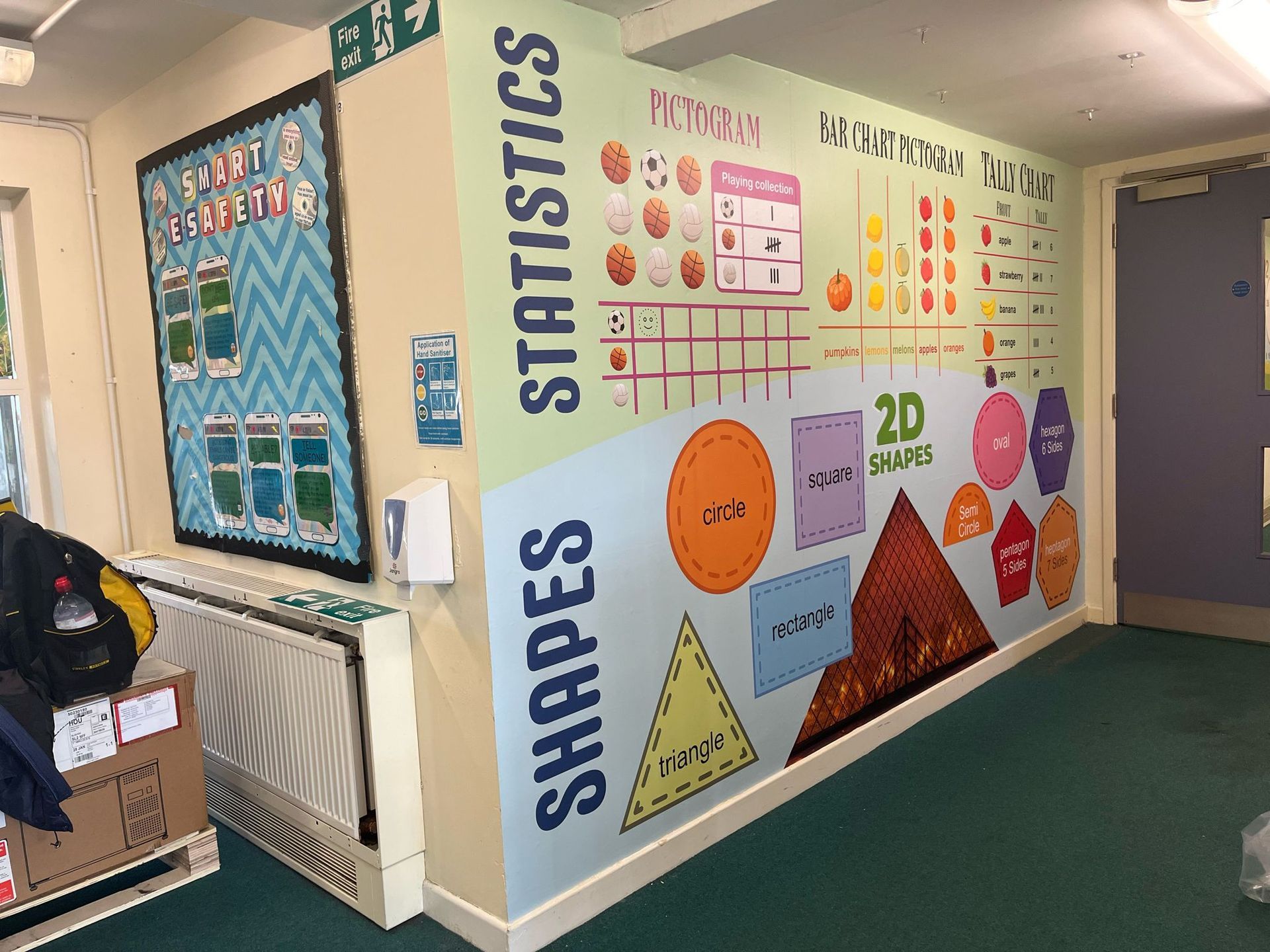
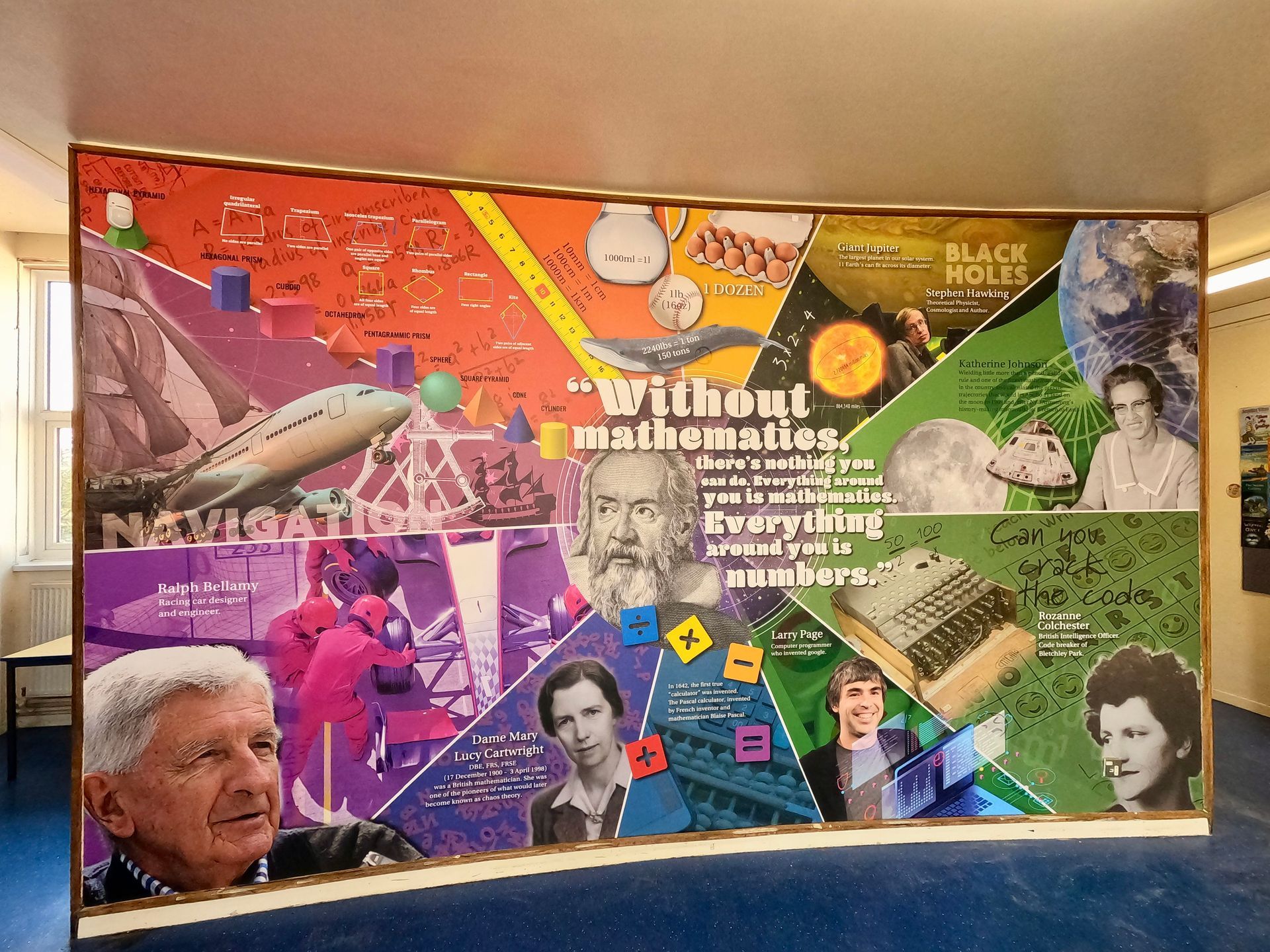
Mathematics Classroom


Elements:

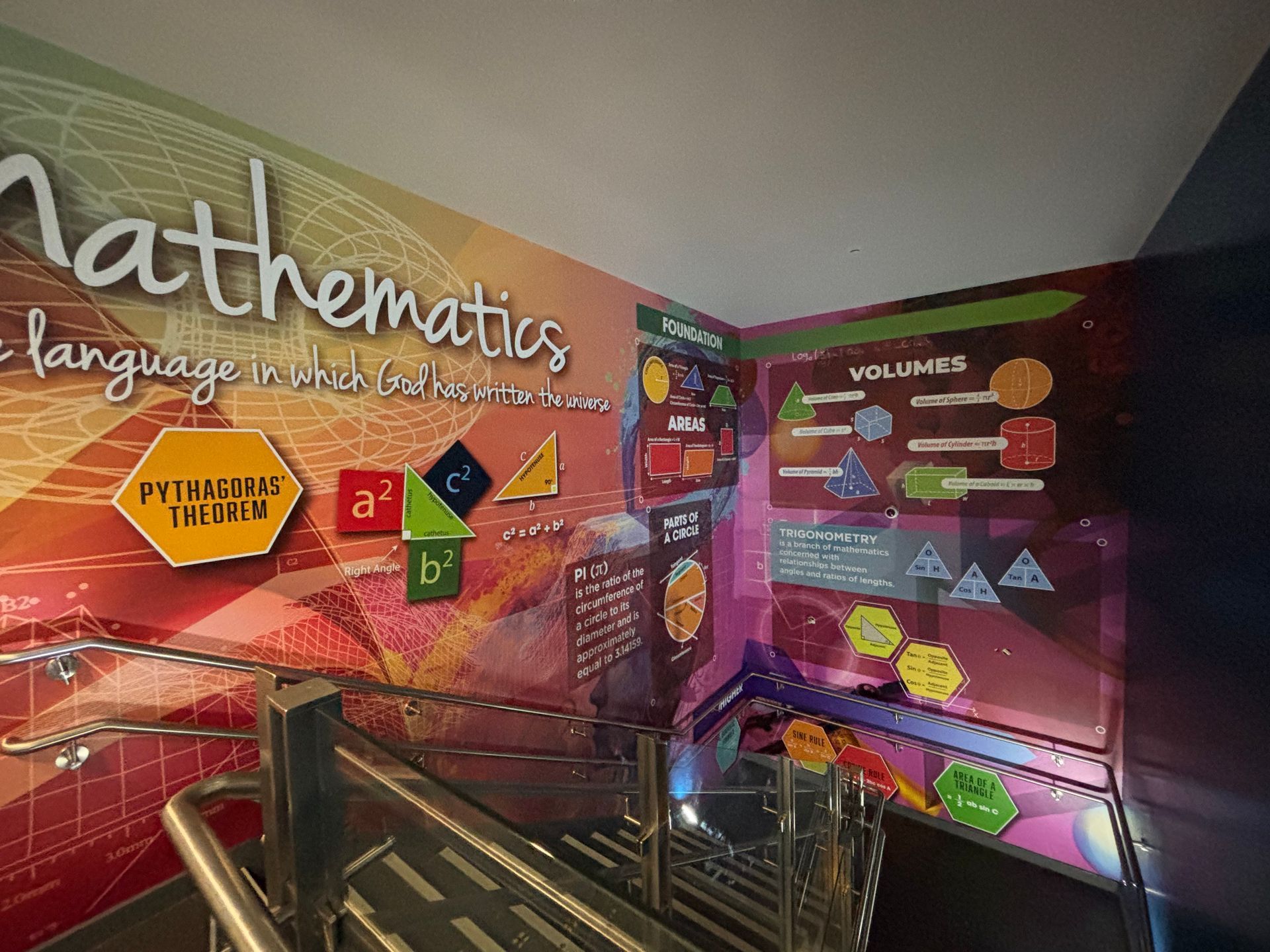
  • Formulas and Theorems: Display essential formulas, theorems, and their derivations.
  • Geometric Shapes: Visual representations of geometric concepts and proofs.
  • Historical Context: Highlight the history of mathematics and contributions from different cultures.


Design Ideas:

  • Formula Walls: Create a wall dedicated to formulas with explanations and real-life applications.
  • Puzzle and Problem Corners: Sections where students can engage with math puzzles and problems.
  • Cultural Math Contributions: Feature contributions from mathematicians worldwide to highlight diversity in mathematics.


Language Arts Classroom


Elements:

  • Literary Timelines: Display timelines of literary movements and critical authors.
  • Quotes and Excerpts: Feature famous quotes and excerpts from critical literary works.
  • Grammar and Vocabulary: Visual aids for grammar rules and vocabulary building.


Design Ideas:

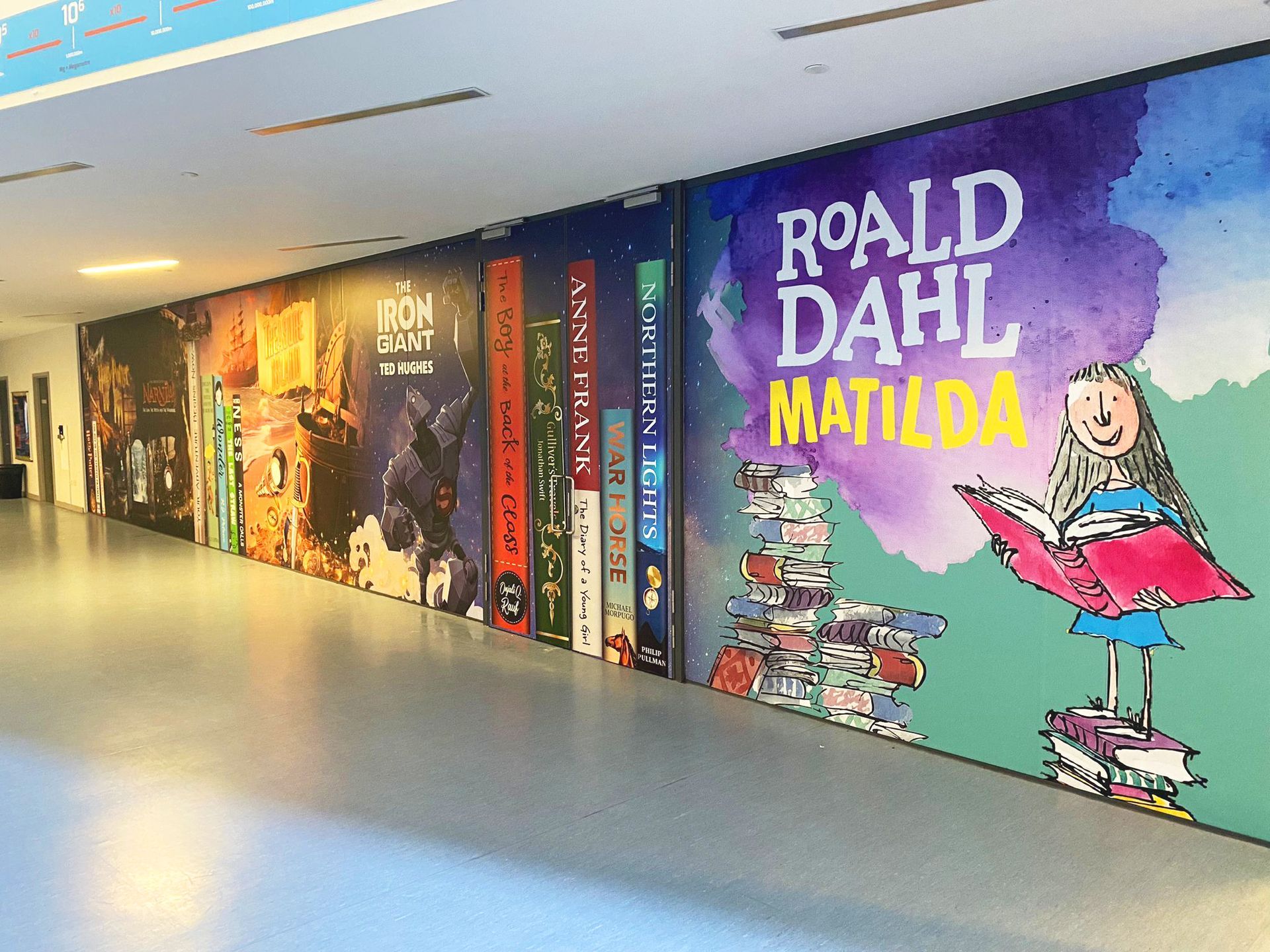
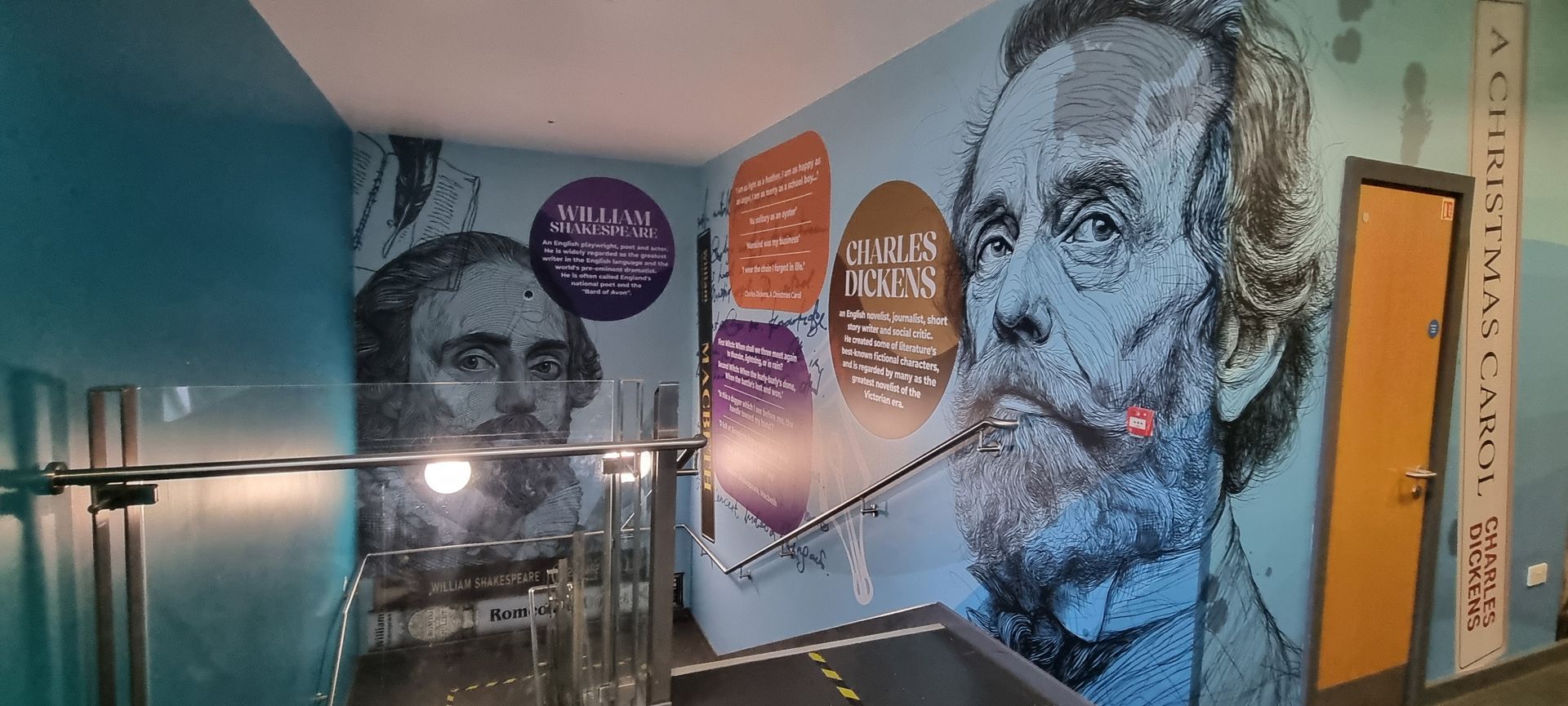
  • Author Highlights Portraits and brief biographies of influential authors along with their famous works.
  • Interactive Story Maps: Create maps that outline the plots of novels or stories.

Grammar Trees: Visual representations of sentence structures and parts of speech.


Art Classroom


Elements:

  • Art Movements: Timeline and characteristics of different art movements.
  • Famous Artists: Portraits and notable works of influential artists.
  • Techniques and Mediums: Visual guides to different artistic techniques and mediums.


Design Ideas:

  • Movement Showcases Sections dedicated to specific art movements with examples and descriptions.
  • Technique Tutorials: Step-by-step visual guides for shading, perspective, and colour mixing techniques.
  • Interactive Exhibits: Spaces for students to display their work and for interactive art activities.


Implementation Strategy


  • Collaborate with Educators:
  • Work closely with teachers to ensure the graphics align with the curriculum and educational goals.
  • Gather input on what topics and elements would be most beneficial for visual representation.
  • Student Involvement:


  • Engage students in the design process by incorporating their ideas and artwork.
  • Create interactive elements that encourage student participation and exploration.


Regular Updates:


  • Periodically update the graphics to reflect curriculum changes or introduce new topics.
  • Ensure that the content remains fresh and engaging for students.


Sustainable Materials:


  • Use eco-friendly materials and printing processes to create the wall graphics.
  • Emphasise your commitment to sustainability in the design and installation process.


Creating thematic wall graphics tailored to specific subjects allows you to transform educational spaces into dynamic, interactive learning environments that foster curiosity and deeper understanding.
By Gary Boad April 6, 2026
The morning rush. You know the one. It is a whirlwind of lost shoes, half-eaten toast, and the ticking clock. Then comes the final hurdle: the school gate.
By angel March 20, 2026
We’ve all been there. It’s 4:00 PM on a Tuesday, you’re armed with a staple gun that’s seen better days, and you’re staring at a vast expanse of blue sugar paper that refuses to stay flat. You want your classroom to be an inspiring hub of learning, but by the time the final border is pinned, it looks more like a chaotic explosion in a stationery shop. At Cubed Creative, we’ve spent the last 21 years helping schools transform their environments. We’ve seen the good, the bad, and the "why is that poster from 1994 still there?" The truth is, your walls are more than just partitions between rooms. They are silent teachers. When used correctly, school wall graphics can boost engagement and reinforce key concepts. When used poorly, they become a distracting mess that hinders focus. Here are the seven most common mistakes schools make with classroom wall displays, and, more importantly, how you can fix them. 1. The "Everything but the Kitchen Sink" Approach There is a common misconception that a "good" classroom is a covered classroom. We feel the urge to fill every square inch of brickwork with posters, bunting, and student work.  The Mistake: Visual overload. Research suggests that heavily decorated classrooms can actually decrease student performance. When every wall is screaming for attention, the brain struggles to filter out the noise. This leads to cognitive overload, particularly for pupils with SEND or sensory processing sensitivities. The Fix: Aim for the 20% rule. Keep at least 20% of your wall space clear. This "white space" gives the eyes a place to rest and allows the important displays to actually stand out. Think quality, not quantity.
By angel March 2, 2026
An Open Evening is not just an event on the calendar. It is a defining moment. Before the results are discussed. Before the curriculum is explained. Before questions are asked. Families are already forming an opinion. And your environment is leading that conversation. The Challenge: You Only Get One First Impression When parents walk through your doors, they are looking for reassurance. Is this school calm? Is it ambitious? Does it feel purposeful? Will my child belong here? A blank wall is a mystery. An inconsistent board confuses. A wall that has not changed for months or years is an indicator that communication with the wall is not important. But clear, intentional design builds confidence immediately. Your space either reinforces your message — or distracts from it.
By Gary Boad February 21, 2026
Step into any hallway at school. Something sits there before any text shows up at all. Quiet. A spark of drive. Heat in your steps. Yet at times, everything feels too heavy to carry A flash of colour stirs something deep, almost right away. Inside classrooms, that instinctual reaction holds weight - greater than many allow themselves to see. What keeps people okay isn't only rules or school counsellors. It shows up in each part of the daily world that kids navigate.
By angel February 13, 2026
A school hallway might hold paintings, award posters, and a time chart. Imagine stepping inside a quiet hallway. What happens if young learners find themselves wandering past moments from long ago? Every day, history timeline walls quietly spark interest. They transform ordinary rooms into moments where people pause, talk, and wonder. Curiosity grows without fanfare. Culture comes alive through simple displays. Conversations start where none were expected.
By angel February 7, 2026
Before a single word is spoken, a school has already started talking. From the moment someone steps through the doors, the environment sends signals. Calm or cluttered. Confident or uncertain. Purposeful or forgotten. These first impressions shape how visitors feel — and how much trust they place in the school.
By angel January 31, 2026
Giving pupils a visible voice in their school What kids think shows up on those walls - transparent, seen, shared. Their thoughts take shape in ways others can notice. This place proves voices count, without saying it outright. Not tucked away. Right there on the walls.
By Gary Boad January 24, 2026
When we think about learning spaces, classrooms get most of the attention. But pupils spend a huge part of their day moving through corridors. These spaces shape first impressions, daily routines, and how learning feels beyond the classroom door. With the right approach, corridors can become powerful learning tools.
January 17, 2026
Hours fade fast when school never ends. Classrooms hold them tight, then hallways pull them forward, lines forming where doors once stood, faces repeating like seasons that won't turn. Feelings start to mould themselves into every corner, brick by quiet brick. Around them, little things shape how kids feel day by day. Moments like these add up without making a noise. Their inner world shifts because of colours on the walls, soft lighting, or quiet corners. Noticing this helps understand what goes unseen.
By angel January 10, 2026
A classroom often reveals more than it teaches. What people do in hallways and near walls often tells them what to expect long before anyone talks about it. January gives schools the space to notice this story. Slowly now, things come to rest. Routines settle. Leaders gain clarity.
More Posts

Back to home